
What To Expect From A Chemical Peel
- synyskaalbina
- Apr 7, 2025
- 2 min read
There are many avenues for skincare these days - which, of course, we’re very grateful for! - and you can tailor your routine to suit your specific skin concerns, evolving these over the years as the needs of your skin change.
As time goes on, you might be increasingly interested in investigating the very real benefits of chemical peels, an effective skin resurfacing treatment that uses a range of different exfoliating acids and enzymes that slough away dead skin cells, promote cell renewal, stimulate collagen production and leave your skin looking fresh, clear and bright.
Chemical peels can also be effective at evening out your skin tone and texture, improving the appearance of blemishes and hyperpigmentation, potentially reducing the appearance of fine lines and wrinkles, and helping to reduce breakouts and inflammation associated with acne.
What to expect during a chemical peel
When you go for your peel, your clinician will carry out a deep cleanse of your skin before applying the solution, which can be designed to address your specific concerns with a variety of peels available, including superficial and deeper treatments.
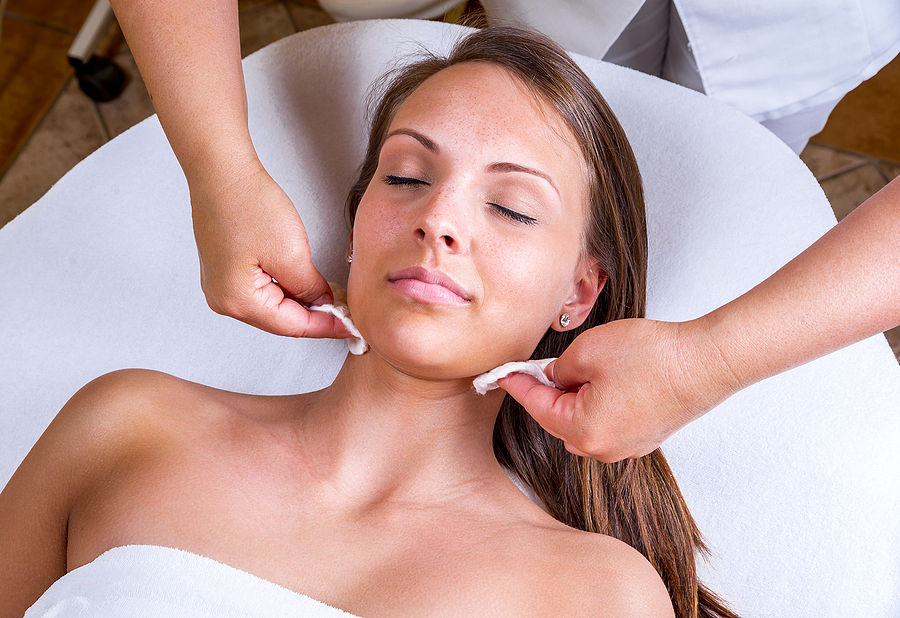
The solution is applied using a sponge, some gauze, a cotton ball or a brush and left on for a specified amount of time, depending on the type of peel you’ve gone for.
It is possible that you will experience a mild stinging sensation and your skin will likely start feeling increasingly warm. This is normal and no cause for concern, but if you’re worried always make sure that you voice your concerns to your clinician. You may be given a hand-held fan to help keep your skin cool during the treatment.
The procedure typically takes between 30 to 45 minutes, depending on the peel type that’s being administered.
What happens after a chemical peel?
It is normal for your skin to feel tight after a chemical peel of any depth and you may also experience redness, swelling and irritation. Your clinician will provide you with all the necessary information for aftercare, including using sun protection over the next few days to protect your skin.
Cleanse with cool water, avoiding hot temperatures as your skin will likely be sensitive after the treatment. Pat dry, rather than rub. Avoid using soap-based cleansers, as these can have a drying effect and strip your skin of its natural oils, leading to further irritation.
Avoid exfoliating for at least five days post-treatment and do your best not to touch your face or pick at any skin that may be flaking away. Avoid any activities that may lead to further inflammation, such as strenuous exercise and sauna visits.
Using a good-quality moisturiser morning and night can help your skin recover, but check the ingredients and make sure that it’s free from any harsh chemicals. Something like Nivea cream would be perfect as a post-peel moisturiser.
Also make sure that you read the ingredients in your other skincare products and avoid anything that has acids in them, as well as anything with retinol, as these can cause adverse reactions after a peel.
If you’d like to find out more about these cosmetic treatments, get in touch with the A-Plus Clinic today.


Comments